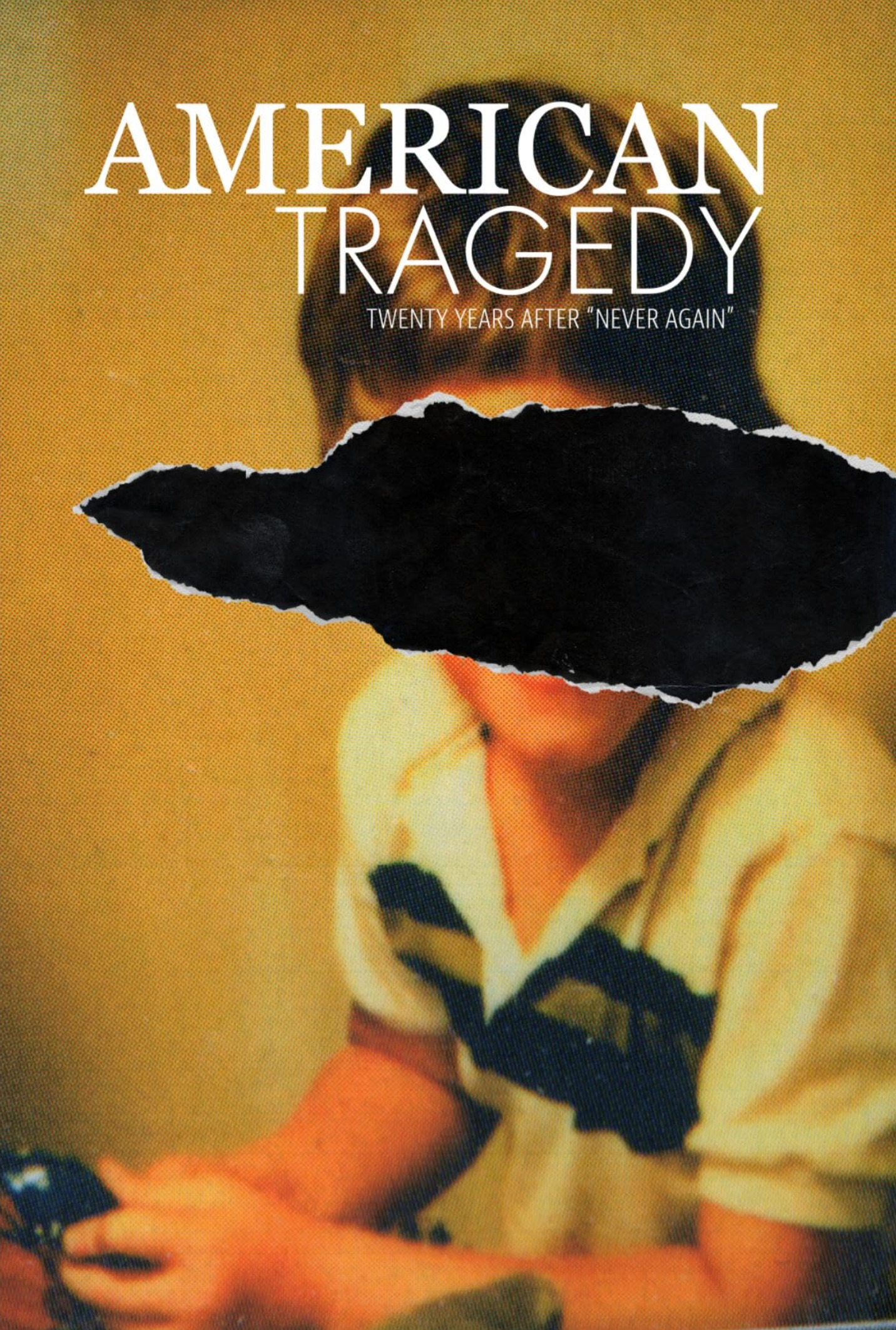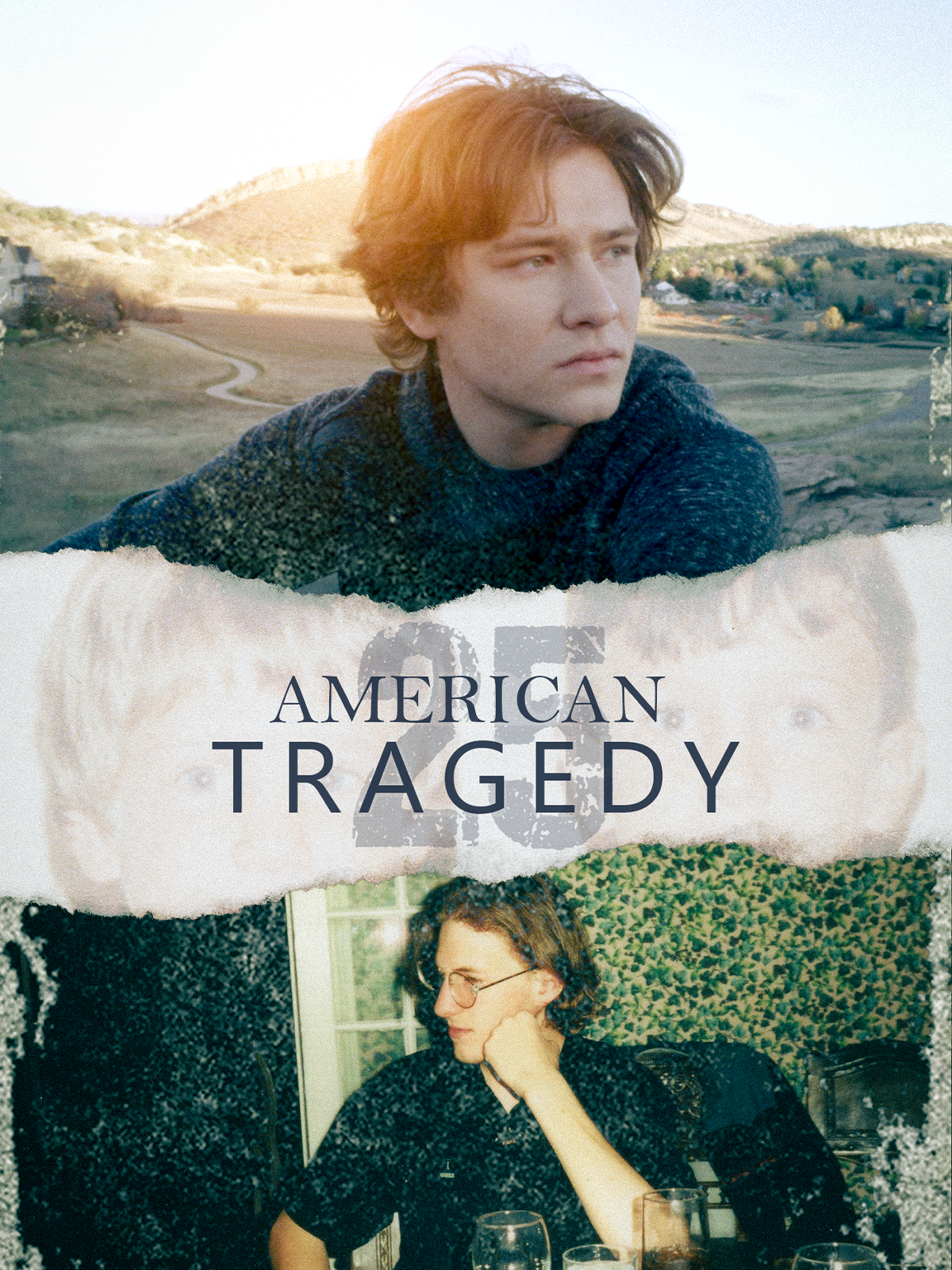
The Brief (The Problem)
Tackling the Columbine tragedy through the perspective of Sue Klebold is a monumental ethical and creative challenge. We weren't making a sensational true-crime piece; we were building a thesis on mental wellness and prevention. The financial challenge was equally daunting: we operated on a microscopic hard-cash budget of $35K. The objective was to generate a true production value of over $130K through sweat equity, break through the crowded documentary market, secure festival prestige, and land global distribution—all without exploiting the subject matter.
Tackling the Columbine tragedy through the perspective of Sue Klebold is a monumental ethical and creative challenge. We weren't making a sensational true-crime piece; we were building a thesis on mental wellness and prevention. The financial challenge was equally daunting: we operated on a microscopic hard-cash budget of $35K. The objective was to generate a true production value of over $130K through sweat equity, break through the crowded documentary market, secure festival prestige, and land global distribution—all without exploiting the subject matter.
The Strategy
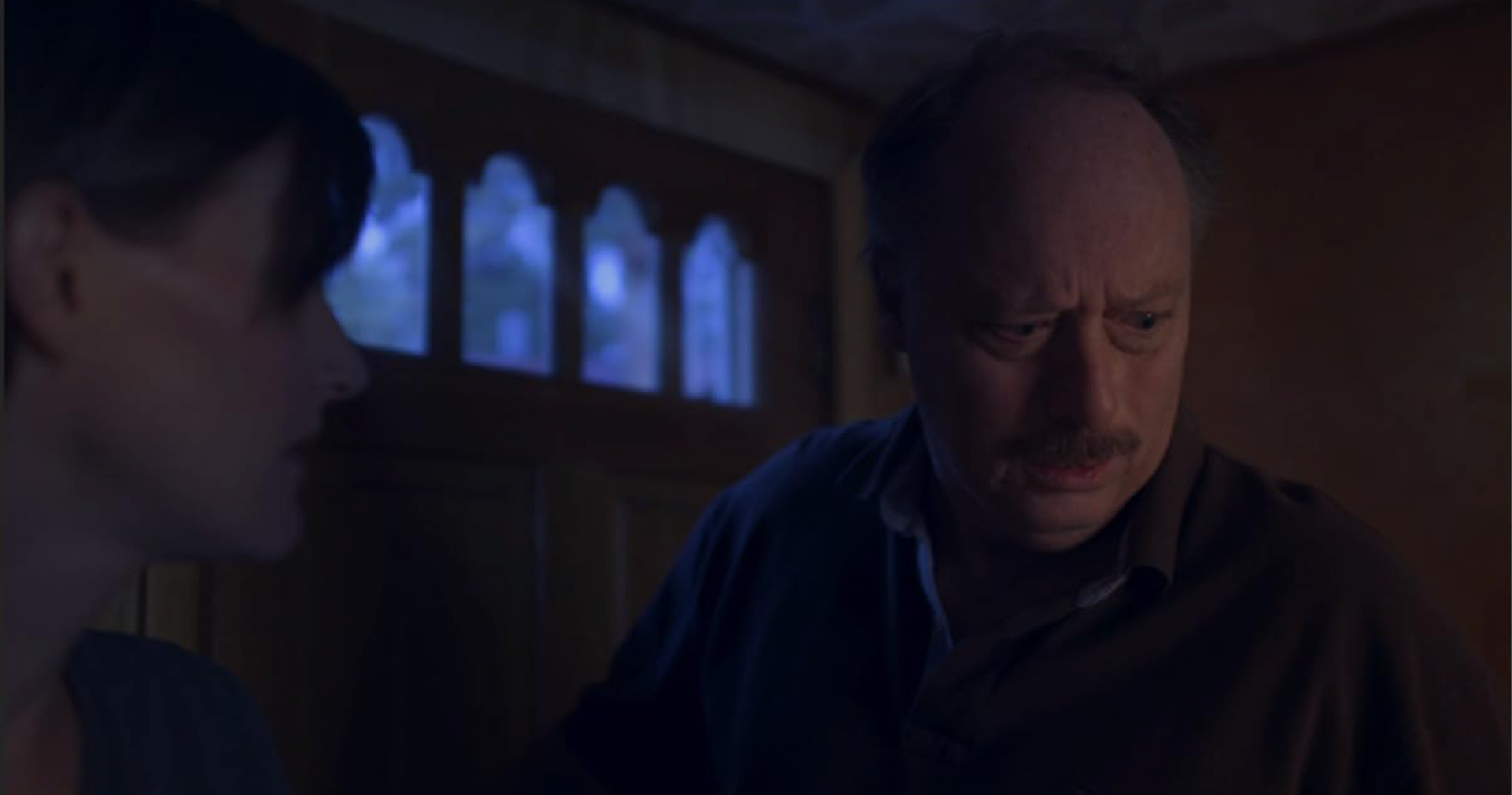
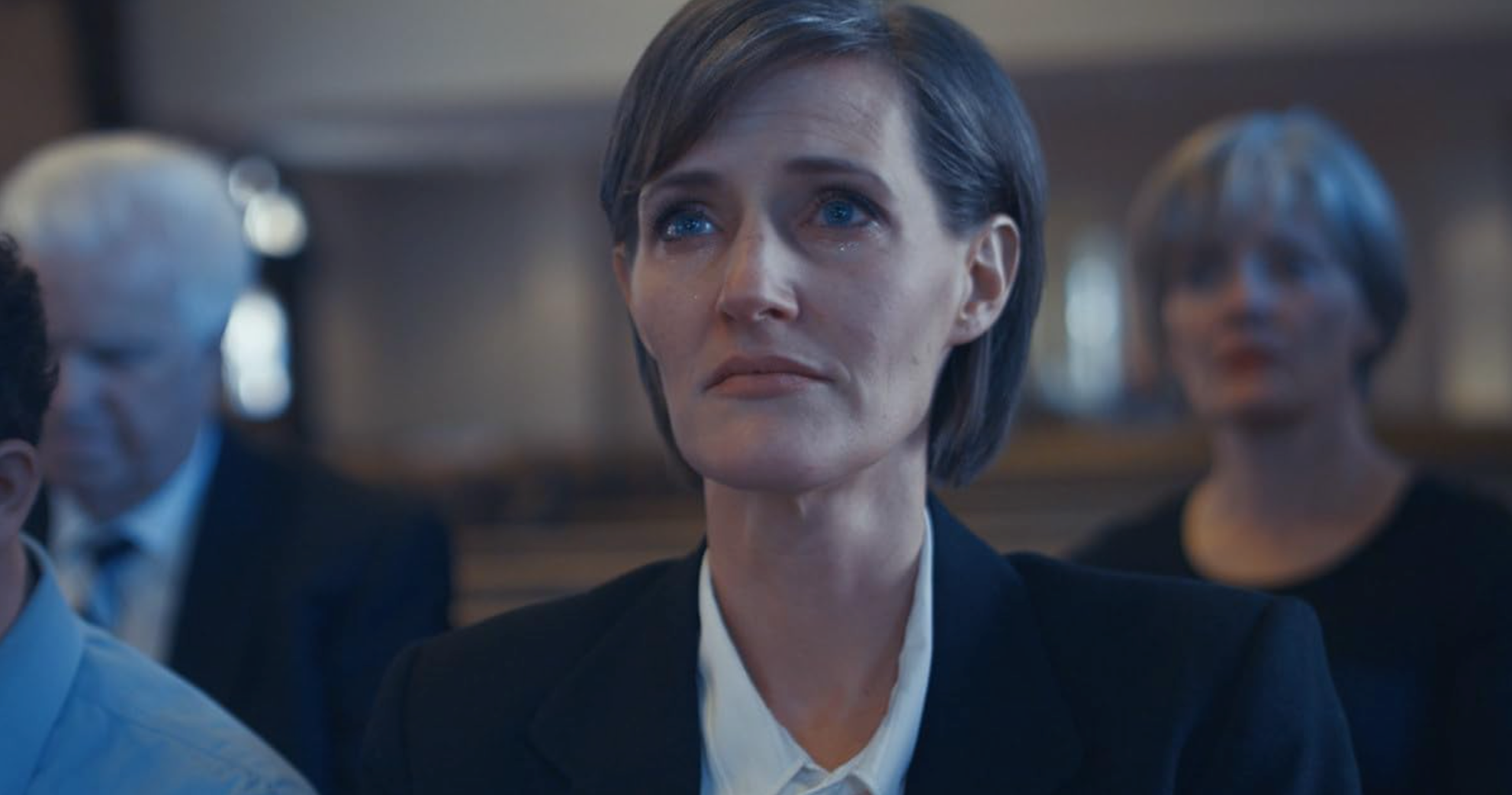
To secure a return on a $35K investment, you can't make a standard, dry, PBS-style educational documentary. I pushed to elevate the visual language so the film felt like a premium narrative thriller. I planned, shot, and directed highly cinematic reenactments that ultimately made up 25% of the final runtime. By heavily leveraging these premium narrative sequences in our original marketing trailers, we shifted the audience's perception from "educational film" to "must-watch cinema," creating a massive digital hook for our performance marketing.
To secure a return on a $35K investment, you can't make a standard, dry, PBS-style educational documentary. I pushed to elevate the visual language so the film felt like a premium narrative thriller. I planned, shot, and directed highly cinematic reenactments that ultimately made up 25% of the final runtime. By heavily leveraging these premium narrative sequences in our original marketing trailers, we shifted the audience's perception from "educational film" to "must-watch cinema," creating a massive digital hook for our performance marketing.
The Execution (The Reality)
I operated as a core Creative Partner, Producer, and Director of Photography. This required absolute end-to-end creative and commercial ownership.
I operated as a core Creative Partner, Producer, and Director of Photography. This required absolute end-to-end creative and commercial ownership.
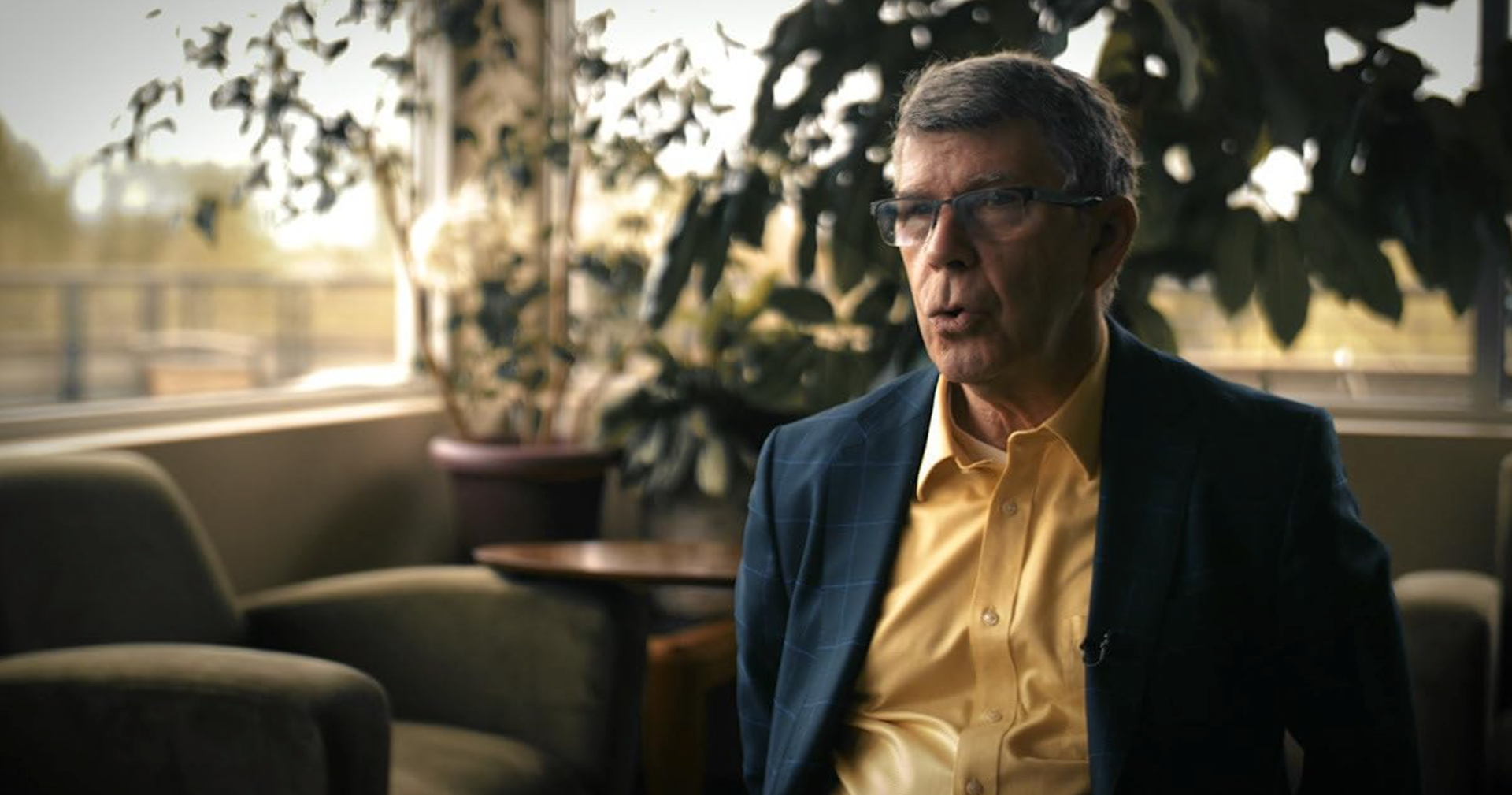
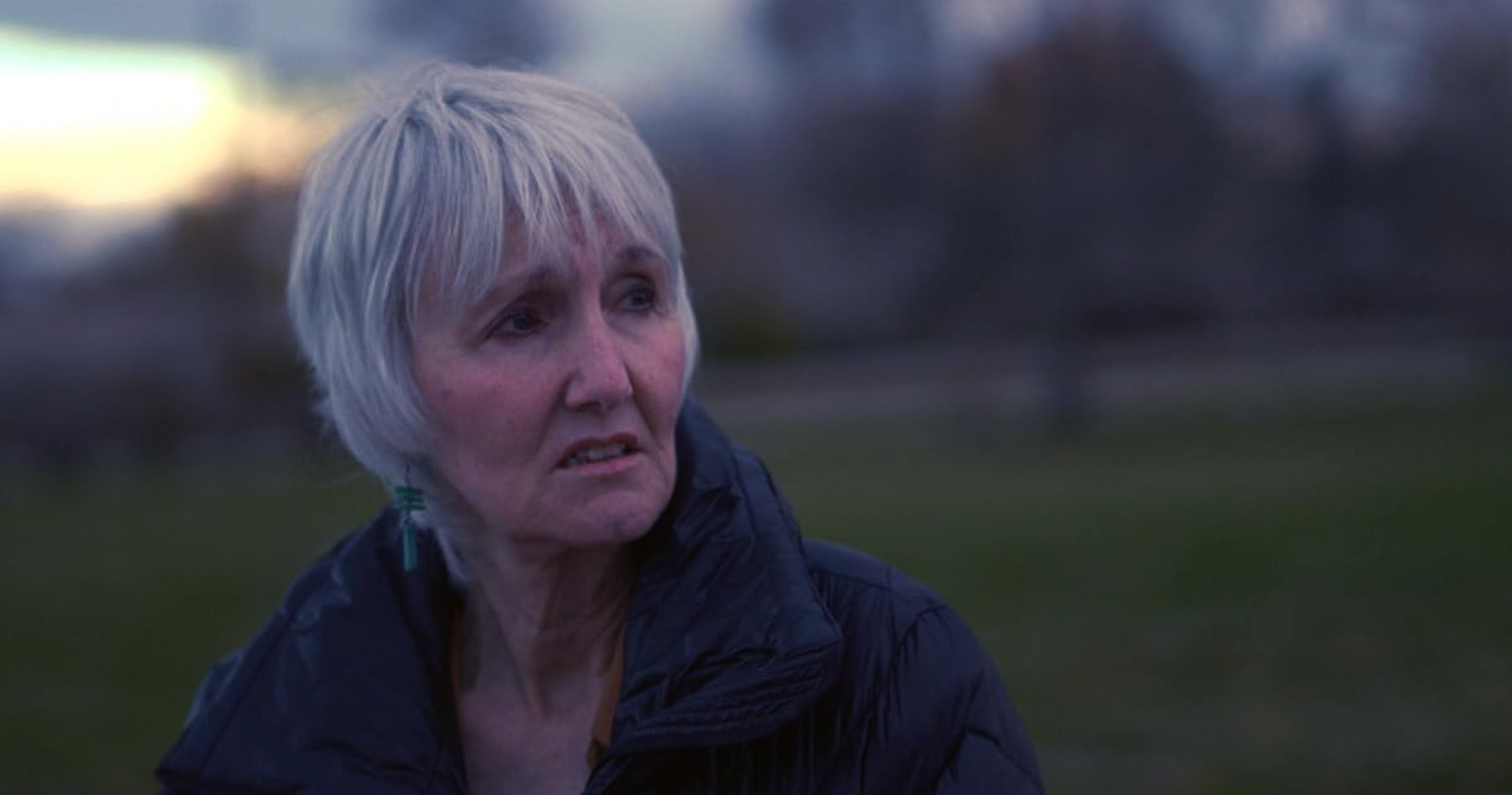
• Production & Post: I shot the film, directed (and even acted in) the narrative reenactments, handled the VFX, and sat in on the heavy editorial storytelling decisions. I was in the room capturing deeply personal, life-changing moments on camera with Sue Klebold and other suicide loss survivors.
• Technical Distribution: My role extended to the highly technical backend of film distribution. I generated the DCPs (Digital Cinema Packages) required for our theatrical premieres and personally quarterbacked the digital rights management (DRM), successfully scrubbing pirated copies off the internet to protect our revenue streams.
• The Business of Film: I was actively involved in the distribution negotiations, festival strategy, and live Q&A sessions alongside the director, acting as a steward for the film's public presence.
The ROI (Commercial & Critical Validation)
When you own equity in a film, success isn't just about festival laurels; it's about Return on Ad Spend (ROAS) and long-term royalties.
When you own equity in a film, success isn't just about festival laurels; it's about Return on Ad Spend (ROAS) and long-term royalties.
• Critical Prestige: The film premiered at the Boston Film Festival on the exact same night as the US Premiere of Jojo Rabbit, walking away with the award for Best Documentary.
• Massive Marketing ROAS: The narrative-style trailer I shot and cut acted as an absolute conversion engine. In the first two months of our digital push, we saw an incredibly efficient 5x ROAS—putting a quarter into the marketing machine and getting $1.25 back in direct sales.
• Global Distribution: We successfully navigated the indie distribution landscape, landing a lucrative deal with Gravitas Ventures to place the film on Amazon Prime and multi-channel VOD.
• Long-Term Equity: Because I structured my involvement as a vested Partner rather than a day-rate contractor, the film transitioned from a one-off project into an ongoing, royalty-generating corporate asset.
The Bottom Line: We took $35K in hard costs and built an award-winning, globally distributed feature film. I managed the cinematography, built a highly profitable performance-marketing trailer, handled the technical distribution backend, and secured an ongoing revenue stream in the brutal landscape of indie film.